She Knows Her Worth — And She Learned It at the Souq
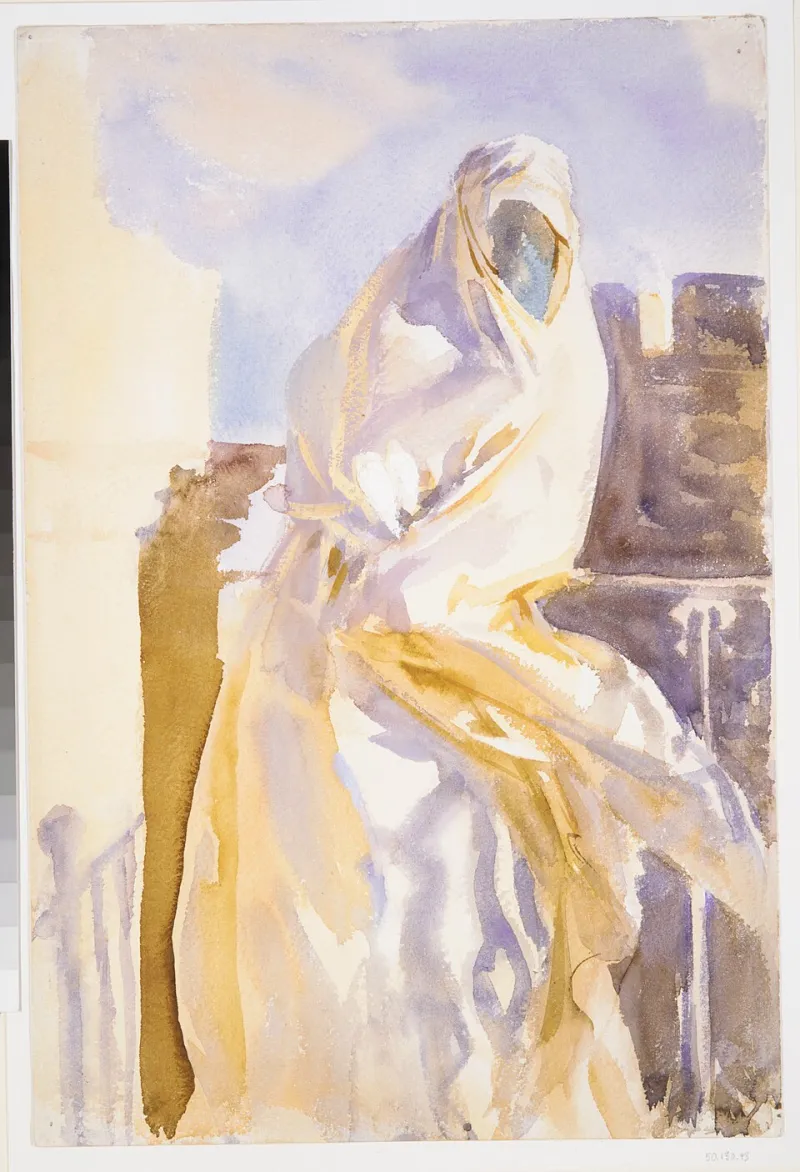
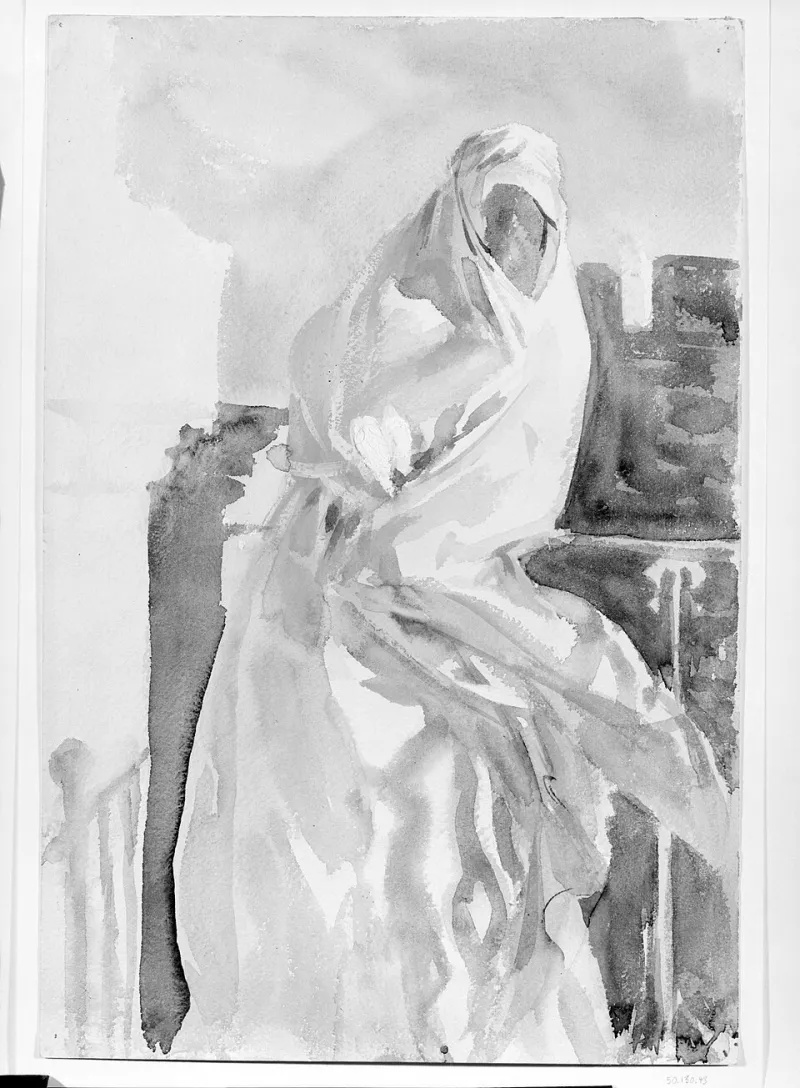
Photo: John Singer Sargent, CC0, via Wikimedia Commons
There's a particular kind of confidence that comes from watching your teta haggle. She doesn't flinch. She doesn't apologize. She picks up the fabric, turns it over, sets it down slowly, and waits. The vendor talks. She listens. Then she makes her offer — not as a question, but as a statement. And nine times out of ten, she walks away with exactly what she came for.
That scene plays out across souqs from Marrakech to Amman to Dubai, and for Arab American women growing up between two worlds, it left a mark. What mainstream American culture sometimes labels as "aggressive" or "pushy," those women recognized as something else entirely: skill.
The Souq Wasn't Just Shopping — It Was School
The traditional Middle Eastern marketplace was never just a place to buy things. It was a social ecosystem built on relationship, reputation, and reciprocity. Vendors knew their regulars. Regulars knew the fair price of everything. And the back-and-forth of bargaining wasn't adversarial — it was conversational. You were expected to engage.
In that environment, children absorbed lessons that no business school syllabus covers. How to read body language. How to anchor a negotiation without burning a relationship. How to use silence as leverage. How to walk away — and when walking away is actually the move that brings the other party back to the table.
For Arab American women, that inheritance runs deep, even for those who grew up in suburbs far from any actual souq. The values get passed down through family dynamics, through watching parents navigate vendor relationships, through Eid shopping trips and the casual economics of community life.
The Negotiation Gap — And Why It's Closing
Studies have consistently shown that women in the US negotiate their salaries less frequently than men, and when they do, they often face social penalties for it. But here's what those studies don't always account for: cultural background matters. Arab American women, many of whom grew up in households where negotiating was normalized and even expected, are entering the workforce with a different baseline.
Nadia, a 31-year-old marketing director based in Dearborn, Michigan, put it plainly: "My mom negotiated everything. Car prices, contractor quotes, even medical bills. She never saw it as rude — it was just... responsible. So when I sat down for my first salary review, I wasn't nervous. I had receipts, I had a number, and I wasn't leaving without it."
That matter-of-fact approach to negotiation — grounded in preparation and relationship rather than confrontation — is increasingly being recognized as a genuine competitive edge.
Entrepreneurship and the Art of the Deal
The souq spirit shows up most vividly in Arab American entrepreneurship. Small business owners, boutique founders, and freelancers across the country are drawing on those inherited instincts in ways that are quietly reshaping how they operate.
Consider the vendor relationship model. In souq culture, you don't just buy from a supplier — you build with them. You negotiate terms that serve both sides over time, because burning a relationship for a short-term discount is bad economics. Arab American business owners often bring that same long-game thinking to supplier negotiations, partnership deals, and client contracts.
Then there's the value of the warm pitch. In Western business culture, the cold pitch — email blast, LinkedIn DM, formal proposal — is the default. But Arab business culture has always prioritized warmth first, transaction second. You share tea, you ask about family, you establish trust. That approach, translated into modern networking, is something a lot of Arab American women do instinctively — and it works.
Reclaiming What Was Never Actually Lost
Here's the thing: Arab women never stopped negotiating. The skill didn't disappear just because the context changed. It adapted. The woman who grew up watching her mother bargain at the fabric stall is now the same woman negotiating freelance contracts, pushing back on lowball offers, and building businesses that don't undersell themselves.
What's changing is the narrative around it. Arab American women are increasingly refusing to apologize for knowing their worth — and they're naming the cultural source of that confidence rather than hiding it.
Social media has helped. Creators and entrepreneurs in the Arab American space are openly talking about how their backgrounds shaped their business instincts. The souq, once dismissed as a relic of the old country, is getting a reframe — as a masterclass in human commerce that Western business culture is only now starting to catch up to.
The Takeaway From the Market
If you've ever felt like your directness in negotiations made people uncomfortable, or that your refusal to accept the first offer was somehow culturally inappropriate — let's reframe that. The souq didn't produce timid shoppers. It produced people who understood that price is a conversation, not a verdict.
That's not aggressive. That's literate. And in a marketplace — whether it's a salary discussion, a vendor contract, or a retail launch — literacy wins.
Your teta knew it. Now it's your turn.